What to Do in the First Hours After a Storm in Lake County: A Homeowner Emergency Guide
Storm damage in Lake County rarely arrives in a neat, obvious package. Sometimes it is dramatic, with water pouring through a ceiling or a tree across a fence. More often, the trouble starts quietly. A wet baseboard in a back bedroom. A musty smell by evening. A patch of swelling under vinyl plank flooring that was flat that morning. In Central Florida, that delay matters, because heat and humidity do not give you much grace.
If you live in Groveland, Clermont, Minneola, Mascotte, Howey-in-the-Hills, Mount Dora, Leesburg, or elsewhere in Lake County, the first few hours after a storm are usually a race between moisture and time. The goal is not to diagnose every issue on the spot. It is to protect people first, then stop conditions from getting worse, then decide what needs cleanup, drying, repair, or a more specialized response.
I have seen homeowners lose a manageable situation simply because they waited until the next day to pull up a soaked rug, open a wet vanity, or document where the water came from. I have also seen the opposite, people tear into walls too fast and create a bigger mess than the storm did. The right response sits somewhere in the middle: calm, observant, and fast where it counts.
Start with safety, not cleanup
Before you move a single chair or start mopping, pause long enough to make sure the space is safe to enter. After a storm, your house may have more than water to worry about. Wind damage, broken glass, unstable branches, and electrical hazards change the order of operations.
If there is standing water anywhere near outlets, cords, appliances, or your electrical panel, treat that area with caution. If the roof has been hit hard or a ceiling is visibly sagging, do not walk under it casually just to take photos. If you smell smoke after a nearby lightning event, that deserves attention before you start dealing with odor alone. Smoke odor removal is one thing. Hidden heat or fire damage is another.
This part is not glamorous, but it is where good decisions start. A storm loss gets more expensive when someone gets hurt trying to save a piece of furniture.
In the first hour, focus on these priorities
- Make sure everyone in the home is safe and keep people out of any questionable area.
- Stop active water if you can do it safely, whether that means moving belongings, catching drips, or temporarily covering an exposed opening.
- Document what you see with photos and short videos before you start moving too much.
- Remove easy-to-save items from wet zones, especially rugs, paper goods, cushions, electronics, and anything stored directly on the floor.
- Call for help early if the damage is beyond what household fans and towels can realistically handle.
That short water damage checklist can save hours later. It also keeps you from getting pulled into cosmetic cleanup before you have handled the moisture source.
Water spreads faster than most homeowners expect
One of the most common mistakes after a storm is judging damage only by what is visible from eye level. Water runs along framing, wicks into drywall, collects under cabinets, and settles beneath flooring. In Florida homes, especially during the wet season, it does not take much for a small intrusion to become a humidity problem across several rooms.

A storm does not need to tear open half the roof to cause trouble. A compromised window, a blocked drainage path, or wind-driven rain around flashing can be enough. In older homes, hidden pathways are even more common. If you have ever gone through a home inspection in older homes in Florida, you know that age, prior repairs, and changing materials often create surprise points of entry.
This is why the first hours matter so much. The house is telling you where the water is now. By tomorrow, those clues can be muddier. Carpets may feel only damp instead of wet. Drywall may look fine even though moisture has moved inward. A musty odor may be stronger by evening than it was at noon.
Drying starts sooner than repairs
A lot of homeowners understandably jump straight to the repair question. Who patches the ceiling? Who replaces the flooring? Do we repaint the wall? That comes later. In the beginning, drying is usually the most urgent job.
This is where people often confuse mitigation vs remediation. Mitigation is about limiting further damage right away. Think emergency extraction, removing wet materials that cannot be saved, setting up drying, and stabilizing the space. Remediation comes into the picture when there is a contamination issue or damage that requires more deliberate corrective work, such as commercial mold remediation in a business setting or more involved microbial cleanup after prolonged moisture.
The distinction matters because your first-hours decisions should favor stabilization. If water is trapped and the air is heavy, getting moisture under control has more value than making the room look tidy. A spotless floor in a wet structure is not progress.
Professionals often use dehumidification and air scrubbers as part of a broader drying and cleanup strategy, but those tools are not magic boxes you plug in and forget. Dehumidification addresses excess moisture in the air and helps materials release water. Air scrubbers are used in situations where improving the air environment or controlling particulates is part of the plan. Whether they are appropriate depends on what was affected and how long conditions have been wet. The wrong equipment in the wrong setup can create a false sense of security.
Florida humidity changes the math
Lake County homeowners know the feeling of stepping outside after an afternoon storm and getting hit with warm, damp air that feels almost solid. That same humidity works against a wet house. You can open windows and think you are airing things out, but if the outdoor air is already saturated, you may not be helping much.
This is one reason hurricane season preparation in Florida needs to happen before a storm is on the radar. Official hurricane season runs from June 1 through November 30, and preparation should begin before the season starts. Once a storm has passed, you are no longer preparing. You are managing consequences under time pressure.
The local climate also explains why mold is such a concern here. The connection between moisture intrusion and mold in Florida is not theoretical. It is practical, immediate, and very familiar to anyone who has opened a closet after a leak or found a damp smell near an air handler during a rough summer.
Do not get stuck on mold testing first
Homeowners often ask the same question within hours of a storm: should I test for mold? It sounds sensible, but in many cases it is the wrong first move. The Florida Department of Health advises looking for signs of moisture or water damage and does not recommend mold testing or sampling as the first step.
That guidance is worth repeating because it cuts through a lot of confusion. If materials are wet, if there is visible damage, if the room smells musty, the priority is to correct the moisture problem and dry the area properly. Chasing a lab result while wet materials sit in place can waste precious time.
This is where a lot of mold myths take hold. One myth says that if you cannot see mold immediately, there is no problem. Another says that one air test will answer every question. In real homes, the better first question is usually simpler: where did the water go, and what stayed wet long enough to matter?
You do not need to panic over every damp corner. You do need to respect how quickly Florida conditions can turn a small intrusion into an indoor air quality Florida issue that affects comfort and health. A room can look almost normal and still feel heavy, stale, or irritating because moisture has changed the air.
What to move, what to leave alone
The urge to save everything is understandable. The trick is knowing what can be safely moved and what should wait.
Loose items should come first. Area rugs, shoes, baskets, papers, pet beds, and small furnishings often hold water or trap it against the floor. Getting those out of the affected space gives the room a chance to breathe and lets you see the true extent of damage. Upholstered furniture is trickier. If it took on a lot of water, moving it may spread moisture elsewhere, but leaving it in place can slow drying. This is where judgment matters.
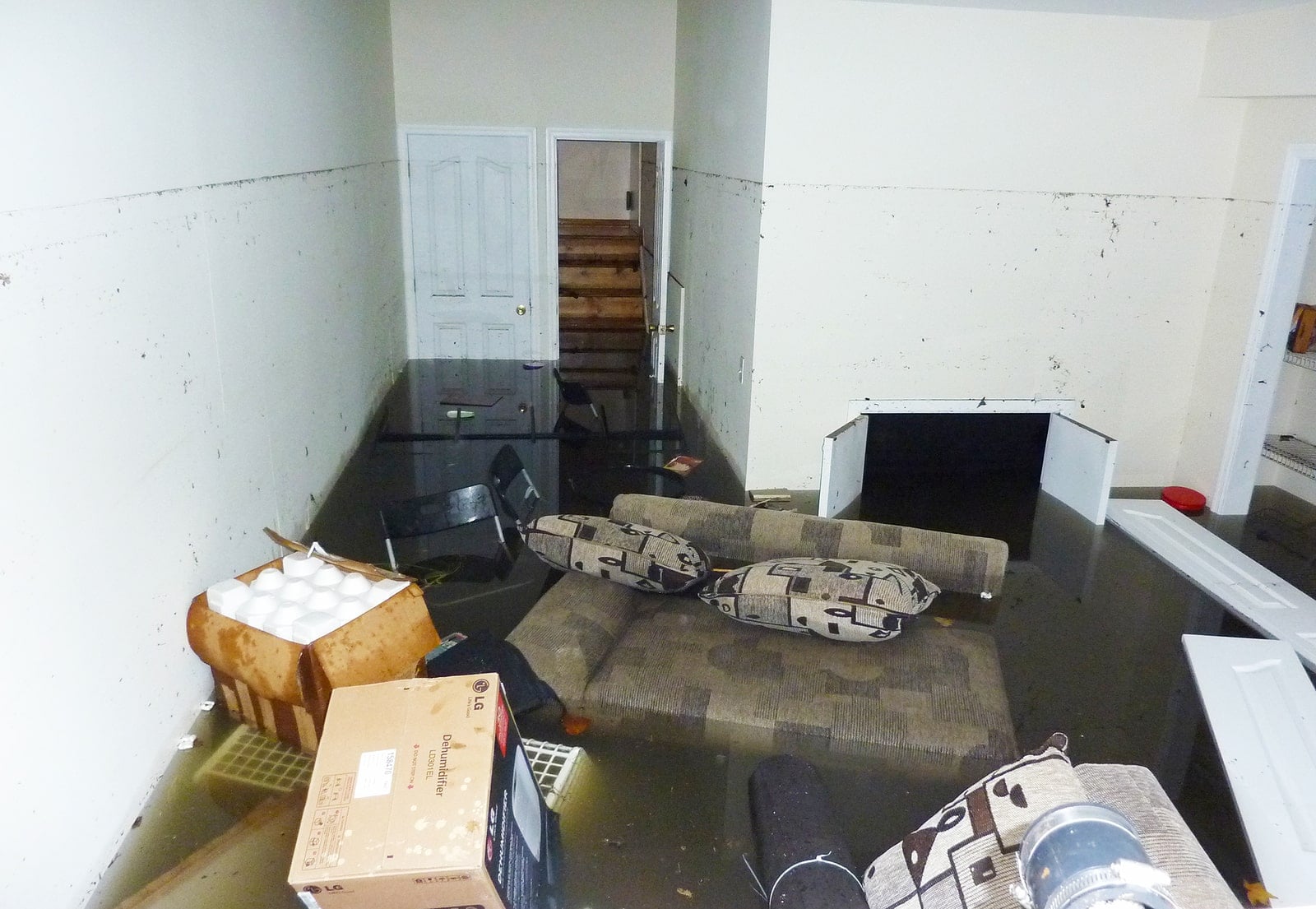
Built-ins, cabinets, and wall finishes are another story. Homeowners sometimes start cutting drywall right away because they have heard that “you have to open everything up.” Sometimes that is necessary. Sometimes it is premature. If you are not sure where the water migrated, aggressive demolition in the first hour can make documentation harder and complicate professional assessment.
A good rule of thumb is to remove what is clearly loose, clearly wet, and clearly in the way, then pause before turning cleanup into a renovation project.
Older homes need an extra layer of caution
If your property is older, the storm response may need a little more restraint. Lake County has plenty of homes and commercial buildings with materials and repair histories that deserve a closer look before anyone starts cutting, sanding, or tearing out finishes.
If storm damage pushes you toward reconstruction, an asbestos survey before renovation may become part of the conversation, especially in older structures or nonresidential settings. Florida regulates asbestos work through licensure and abatement rules, and licensed professionals are required to follow applicable work practices and notification rules. Some single-family homes and small residential buildings may be treated differently depending on the project, but the larger point remains: do not assume that demolition is just demolition.
That caution applies to property owners and to anyone handling property manager water damage in multifamily or commercial settings. Once a project moves beyond emergency drying into selective demolition and rebuilding, the legal and safety stakes rise. A rushed teardown can create a separate problem that has nothing to do with the original storm.
When to call a professional right away
There is a wide gap between a bathroom floor dampened by a small window leak and a whole see details section of the home that stayed wet through the afternoon and night. Most homeowners can handle a minor cleanup. Many storm losses need more than towels, a wet vac, and good intentions.
Call for help early if the damage involves any of the following:
- Water that entered through the roof, walls, or multiple openings.
- Wet drywall, insulation, cabinets, or flooring across more than a small isolated area.
- Strong musty odors, visible growth, or lingering dampness in Florida heat.
- Smoke, soot, or persistent odor after a lightning-related event.
- A commercial space, rental property, or building where multiple units or occupants are affected.
That early call is not surrender. It is often the smartest form of containment. In Lake County, many people look specifically for 24/7 emergency cleanup Lake County services because storm timing is rarely convenient. Water does not wait for business hours, and neither does humidity.
If you are hiring, look for companies whose training aligns with restoration work. The IICRC is a certification organization in the cleaning, inspection, and restoration fields, with certifications tied to microbial remediation, structural drying, and building moisture inspection. Certification alone does not guarantee quality, but it is part of knowing whether someone actually understands what a wet building needs.
Commercial and rental properties are their own category
A homeowner can decide to sleep in the guest room and deal with a wet den tomorrow. A property manager usually cannot. In a rental or commercial building, the first hours after a storm involve multiple people, liability concerns, tenant communication, and the possibility that damage extends beyond one obvious unit.
That is why property manager water damage response tends to be more procedural. Documentation matters more. Access matters more. Moisture in shared walls, corridors, offices, or storage areas can quickly become a broader indoor air quality Florida issue. If a business also has odor or microbial concerns, commercial mold remediation may be part of the later response, but again, not before the active moisture problem is being addressed.
The biggest mistake in these properties is often underreacting to a “small” leak because there is no dramatic pooling. In commercial spaces, hidden moisture can affect inventory, records, finishes, and occupant comfort long before there is visible damage on every surface.
Air quality is part of the damage, even when the room looks decent
Storm losses are not just about what got wet. They are also about what the indoor environment becomes afterward. A room with elevated moisture often feels stuffy long before it looks damaged. Odors deepen. Dust behaves differently. Occupants may notice throat irritation, congestion, or just a sense that the room feels off.
That is why air handling matters. Dehumidification and air scrubbers are not buzzwords, they are tools used in the right context to bring a damaged indoor environment back under control. Drying materials without addressing the air can drag out the process. Focusing only on odor without addressing moisture usually fails.
The same logic applies if the storm event included a lightning strike or nearby fire issue. Smoke odor removal can be part of the restoration path, but odor treatment without addressing any underlying source, residue, or moisture interaction tends to disappoint. Smell is often the last symptom homeowners notice, but by then the house has been telling the story for hours.
What homeowners usually regret by the next day
The regrets are surprisingly consistent.
Some people wait too long because the damage “doesn’t look that bad.” Then the flooring starts to cup, the closet smell gets worse, and the room is harder to save. Others overcorrect and throw away items or tear open assemblies before they understand what is actually wet. Many forget to document anything before moving furniture, which makes later conversations harder.
The best first-hours response is measured. You are buying time for the structure, protecting belongings that can still be saved, and creating a clear picture of what happened. That is true whether you end up handling the cleanup yourself or bringing in help from a Groveland-based team serving Lake, Orange, Seminole, and Osceola counties.
The calm approach works best
After a storm, homeowners often feel pressure to do everything at once. You do not need to solve the whole loss before dinner. You do need to act fast on the basics. Keep people safe. Stop active water if you can. Document what happened. Remove what is obviously vulnerable. Start drying or call for qualified help early enough that the house does not sit wet in Florida air.
That rhythm matters more than perfect technique. In Lake County, the first hours after a storm are not about heroics. They are about judgment. A calm response in a humid climate can be the difference between a straightforward cleanup and weeks of avoidable damage.
