Older Home Inspections in Groveland and Lake County: Understanding Moisture, Odors and Repair Clues
Older homes in Groveland and across Lake County have a lot going for them. Mature lots, solid layouts, original materials, and the kind of character you do not get from a brand new build. They also come with histories that are not always visible on showing day. A house can look tidy, smell freshly cleaned, and still carry clues of recurring moisture, hidden repair work, or lingering air quality issues.
That matters in Central Florida more than it does in many other places. Humid weather, afternoon storms, long cooling seasons, and the pressure that summer puts on air conditioning systems all combine to make moisture a major part of any serious inspection conversation. In older buildings, the signs are often subtle. A stain may have been painted over. A musty odor may only show up after the AC cycles off. A warped baseboard in a back bedroom may tell you more than a bright, recently renovated kitchen.
A careful inspection is not about trying to turn an older home into a problem property. It is about reading the building honestly. That includes understanding what moisture usually looks like, how odors can point to bigger conditions, and where previous repairs deserve a closer look.

Why older homes in Lake County deserve a different eye
A newer home usually gives you cleaner lines and fewer decades of modifications. An older one can show the effects of several owners, several contractors, and several rounds of patch-and-paint decision making. In Groveland, Clermont, Minneola, Mascotte, Howey-in-the-Hills, Mount Dora, Leesburg, and the rest of Lake County, those decisions often happened under Florida conditions that are tough on buildings.
Humidity alone does not automatically mean damage, but it creates a setting where small failures can become larger ones. A loose flashing detail, a slow plumbing drip, or an AC issue that lets indoor moisture creep up can leave a signature over time. The Florida Department of Health has long emphasized that when mold is a concern, the first thing to look for is moisture or water damage. That point gets missed all the time. People get focused on testing before they have even identified where moisture entered or why it stayed.
That is one reason a strong home inspection older homes Florida process puts visible conditions first. A good inspector is reading surfaces, materials, transitions, and smells together, not chasing one isolated clue.
Moisture usually leaves a trail, even when someone tries to hide it
The trail is not always dramatic. In fact, the homes that deserve the closest attention are often the ones with minor but repeated clues spread across several rooms.
You might see a ceiling stain that is dry now but has a faint ring around it, which suggests the area got wet more than once. You might notice new caulk at a tub surround, paired with soft trim at the adjacent wall. In a utility area, you may find crisp paint on the lower wall but swollen door casing nearby. Those are not proof of an active problem by themselves. They are invitations to slow down.
I have seen older homes where the strongest clue was not a major stain at all. It was a mismatch in texture. One bedroom ceiling had slightly smoother patchwork than the rest of the house. The seller honestly said a prior roof leak had been repaired years ago. Fair enough. But when you find that ceiling patch, a nearby window frame with old swelling, and a closet wall with a faint musty smell, you stop thinking in single events. You start asking whether the house has had a pattern of moisture intrusion.
That is the level of judgment buyers need. Not alarm, just pattern recognition.
Clues worth taking seriously on first walk-through
- Musty or earthy odors that get stronger when the house has been closed up
- Bubbling paint, peeling trim, or baseboards that look swollen at the bottom edge
- Ceiling discoloration, especially with rings that suggest repeated wetting and drying
- Flooring that cups, lifts, or feels uneven near exterior walls, bathrooms, or appliances
- Fresh cosmetic repairs that appear limited to one area without a clear explanation
A simple water damage checklist like that can sharpen your attention, but it should not replace context. One stain under an old roof vent may have been fully resolved. On the other hand, a home with no visible stains but a persistent damp odor in multiple rooms can point to an active moisture issue that needs more evaluation.
Odors are not cosmetic complaints, they are part of the evidence
People tend to divide inspection findings into two buckets, structural and superficial. Odors get pushed into the superficial bucket far too often. In older Florida homes, that is a mistake.
Smell can reveal conditions that are not easy to see yet. A sweet or stale odor around supply vents may suggest past moisture in the system or surrounding materials. A sharp, smoky note in a bedroom can tell you a previous fire or chronic smoking episode was covered cosmetically but not deeply cleaned. A damp, earthy smell in a closet on an exterior wall can be your first clue that humid air, minor leakage, or poor drying has been an issue in that area.
That does not mean every odor has a dramatic cause. Older houses hold smells. Wood, old insulation, shut-up rooms, long-vacant conditions, pets, and stored contents can all contribute. But when an odor lines up with staining, soft materials, or visible repairs, it stops being a nuisance and starts being useful evidence.
Smoke odor removal is a good example. Buyers sometimes assume a house just needs fresh paint. Sometimes that works for mild cases. Sometimes it does not, especially if smoke residue reached porous materials or HVAC pathways. If a home carries smoke odor in multiple rooms, that is worth addressing before move-in plans become final. It is also tied to indoor air quality Florida concerns, which can matter even more in a home that stays closed and air conditioned much of the year.
The biggest inspection mistake, confusing a dry surface with a resolved problem
Florida homes can dry on the surface while still carrying a bigger story. A wall can feel dry the day you tour it and still reflect a roof leak, plumbing issue, or condensation cycle that comes back under the same conditions every summer.
That is why experienced inspectors do not just touch a stain and move on. They consider timing. Was there a recent storm? Has the property been vacant? Is the AC running hard? Has the room stayed closed? A dry patch in April can behave very differently in August.
This is also where the conversation around mold myths gets messy. One common myth is that if you do not see active growth, there is nothing to worry about. Another is that any discoloration automatically means a catastrophic contamination event. Both views are too simple. What matters first is the moisture source, the extent of impact, and whether affected materials have been properly dried or replaced.
The Florida Department of Health does not recommend mold testing or sampling as the first step in most situations. That practical approach makes sense. If you can see moisture damage or visible growth, you already know the building needs correction of the underlying moisture condition. Testing may have a place in some cases, but it does not substitute for a careful visual inspection and a plan to fix what got wet.
Where repair clues tend to hide in older houses
In an older home, the obvious repair is not always the important one. A neat drywall patch tells you someone noticed damage. The better question is what they did next.
Look at transitions. Ceiling to wall corners, the base of window openings, flooring changes between rooms, door casings near baths, and closet walls on the home’s perimeter often tell the truth. If repairs stop abruptly at a line that makes no building sense, it can suggest spot treatment rather than full correction.
Bathrooms deserve slow attention. Older finishes may have survived surprisingly well, or they may have hidden years of minor leakage. Vanity bottoms, toilet bases, shower corners, and the wall on the opposite side of plumbing fixtures can all reveal long-term patterns. Kitchens and utility spaces do the same around sink cabinets, refrigerator supply lines, and laundry equipment.
If the home has had updates, compare old and new materials. A beautifully renovated room beside one untouched hallway can show where work was focused and where it was avoided. That is not automatically suspicious. Plenty of projects are done in phases. But if one area looks fresh and the adjacent area carries moisture clues, ask better questions.
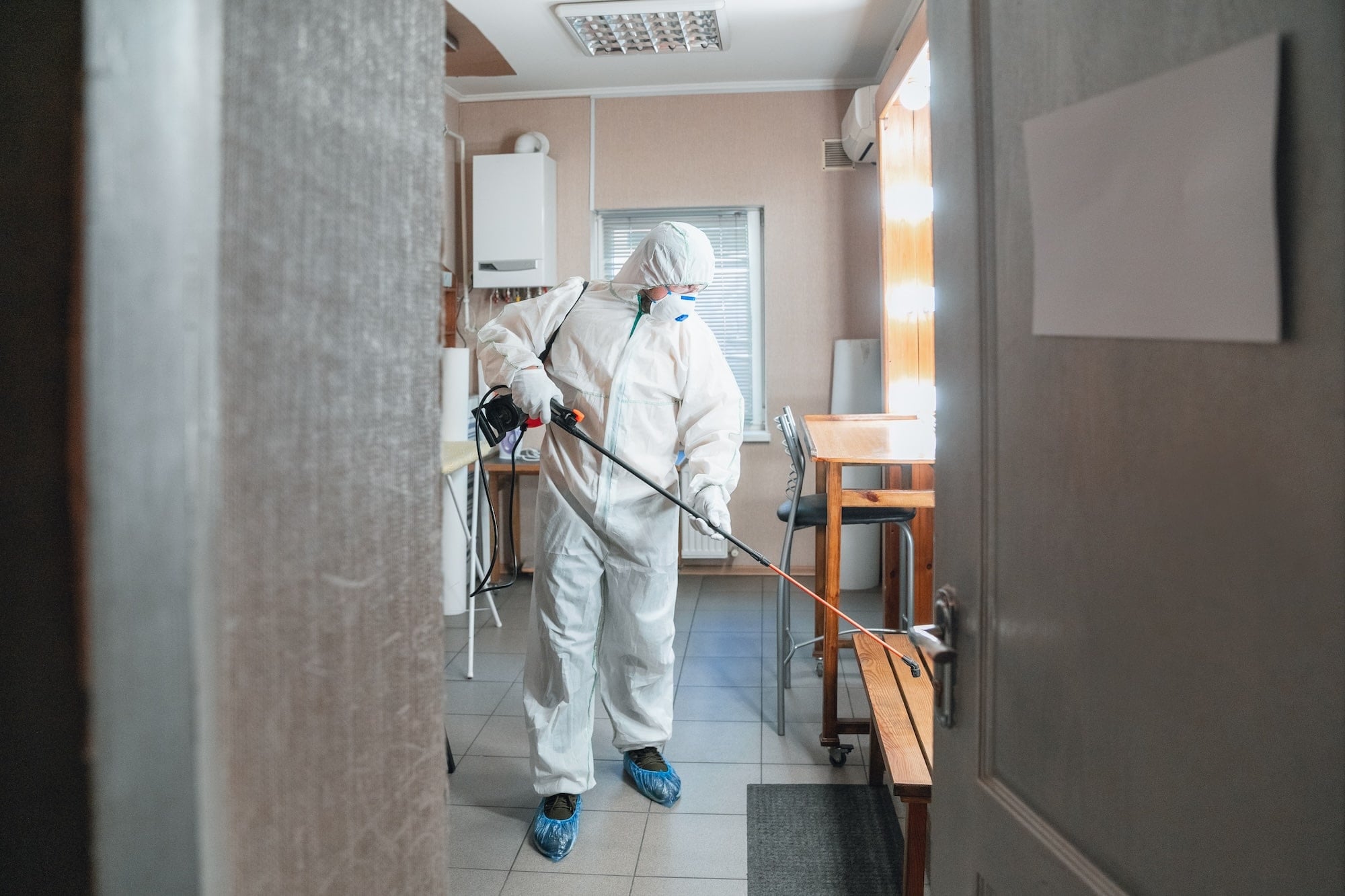
For commercial spaces and multifamily properties, those questions get even more important. A property manager water damage issue is rarely isolated to one unit for long. Repeat leaks, slow roof failures, or HVAC-related moisture can migrate through walls and shared cavities. That is one reason commercial mold remediation has to start with understanding building-wide moisture behavior, not just cleaning what is visible in one suite.
The practical difference between mitigation and remediation
A lot of owners and buyers hear these terms used loosely. They should not be. The distinction matters when you are looking at reports, estimates, or emergency response after a leak or storm event.
- Mitigation is the immediate work to limit further damage, such as water extraction, setup for drying, or emergency containment.
- Remediation addresses the affected materials and conditions that remain, such as removal of damaged materials, cleaning of impacted areas, and corrective work tied to contamination concerns.
- Drying equipment, including dehumidification and air scrubbers, may be part of the process when conditions call for them.
- The right scope depends on what got wet, how long it stayed wet, and whether materials can be dried or need removal.
- A complete job also requires correcting the source, because neither mitigation nor remediation matters much if moisture keeps returning.
That mitigation vs remediation distinction helps people make sense of estimates after a leak, especially during storm season. Fast action to stop spread and begin drying is one thing. Restoring a healthy, stable interior environment is another. Both may be necessary.
Hurricane season changes the inspection conversation
Florida’s official hurricane season runs from June 1 through November 30, and preparation is supposed to begin before the season starts. That is not just advice for coastal homeowners. Inland communities in Lake County still deal with heavy rain, wind-driven water, and the aftereffects of power loss or delayed drying.
For older homes, hurricane season preparation Florida often starts with basic building condition. If a house already has questionable seals, old staining, or a history of moisture intrusion, storm season raises the stakes. The problem is not just what a major event can do in a single day. It is also what repeated wetting, elevated indoor humidity, and interrupted air conditioning can do over a few hot days afterward.
A buyer looking at an older property in spring should be asking whether vulnerable areas are already apparent before summer stress arrives. A seller preparing to list should ask the same thing. If minor leakage or odor issues are present in cooler months, they rarely improve during the wettest stretch of the year.
For landlords and managers, the timeline is even tighter. A property manager water damage response during storm season often read more becomes a race against secondary damage. The longer wet materials sit in Florida heat and humidity, the harder the recovery tends to become. That is why many owners keep emergency contacts ready for 24/7 emergency cleanup Lake County work before a storm warning is ever issued.
Air quality concerns are often building condition concerns
Indoor air quality Florida conversations can wander into gadgets and quick fixes very quickly. Older homes usually need a simpler question first. What in the building is driving the air complaint?
If occupants report headaches, stale air, irritation, or persistent odors, the answer may lie in moisture-damaged materials, poor cleaning after a leak, or smoke residue rather than in some mystery airborne issue. Air quality is often a downstream effect. The structure tells the story first.
That is where dehumidification and air scrubbers have a role, but not a magical one. They are tools, not substitutes for diagnosis. Dehumidification supports drying and helps control excess moisture in affected spaces. Air scrubbers may be used in appropriate restoration settings to manage particulates and improve conditions during cleanup. Useful tools, yes. Full solution, not by themselves.
Older houses especially punish shortcut thinking. Running equipment in a home that still has an unresolved leak or concealed damage may improve the smell for a while, but it does not fix the reason the smell developed.
Renovation plans can uncover a different category of risk
A lot of buyers assume the inspection period is just about whether the house is livable now. In older properties, it should also shape what happens next. If renovation is part of the plan, certain materials and regulations may become relevant even if the current surfaces look fine.
That is where an asbestos survey before renovation enters the conversation. Florida regulates asbestos work through licensure and abatement rules, and licensed professionals are required for applicable work. The state’s rules are designed to minimize fiber release during demolition and renovation. Some single-family homes and small residential buildings may be exempt depending on the project, but that does not make the issue something to guess at casually.
The point is not to alarm buyers. It is to encourage planning. If an older home is headed for major remodeling, you want clarity before walls, flooring, ceilings, or mechanical areas are disturbed. The cost of checking early is usually easier to manage than a surprise once work has started. In commercial or public settings, this becomes even more important because regulatory obligations can be broader.
When testing helps, and when it distracts
People often want certainty from a single report. Older buildings rarely work that way. Testing may help answer a specific question, but it can also distract from obvious evidence if it becomes the first step instead of a targeted one.
When there is visible moisture damage, a known leak history, or clear odor tied to affected materials, the first task is usually to define the extent of damage and correct the moisture source. A sample result does not repair flashing, stop plumbing seepage, or remove damaged drywall. It just adds a data point.
This is one area where credentials and training matter. The restoration and inspection world includes recognized certifications in specialties such as microbial remediation, structural drying, and building moisture inspection. Those do not replace judgment, but they support a more disciplined approach. In practical terms, you want people who understand how buildings get wet, how materials dry, and where apparent fixes often fall short.
A sensible way to read the whole property
The best inspections of older homes do not get hypnotized by one dramatic issue or one pretty upgrade. They connect clues across the property.
Start outside in your thinking, even if your feet are already indoors. Consider where rain lands, how walls and windows meet the weather, and whether vulnerable rooms line up with exterior exposures. Then consider mechanical realities. In Florida, heavy AC use and closed-up interiors can mask or intensify odor and moisture patterns depending on the house and the day.
Inside, trust consistency more than cosmetics. A home where materials age evenly and repairs are openly documented often tells a cleaner story than a home with scattered fresh finishes and no explanation. Ask direct, ordinary questions. When was this repaired. What caused it. What was removed. What was dried. Has it recurred. Vagueness is not always a red flag, but it should make you look harder.
If the property includes commercial space, rental units, or older common areas, raise your threshold for documentation. Commercial mold remediation, prior water losses, and renovation history affect more than appearance. They affect tenant comfort, maintenance planning, insurance discussions, and future project scope.
What buyers, owners, and managers should carry away from the inspection
An older home in Groveland or Lake County is not a bad bet because it has a past. Every older building has one. The real question is whether that past is readable and responsibly handled.
Moisture clues matter because they point to the forces most likely to keep causing trouble in Florida. Odors matter because they often reveal conditions that paint and staging cannot hide for long. Repair clues matter because they tell you whether someone solved a problem at the source or merely covered the symptom.
If you are buying, a thoughtful inspection gives you leverage and perspective. If you are selling, it helps you address the issues that actually influence buyer confidence. If you manage property, it helps you move from reactive cleanup to smarter prevention. And if a storm, leak, or unexpected event hits, understanding the difference between immediate mitigation and full remediation can save time, money, and a lot of frustration.
Older homes reward careful eyes. In this part of Florida, those eyes should always be looking for the quiet signs first. The smell in the back room. The patch that does not quite match. The trim that looks a little too new for the wall around it. Those details are rarely random. They are the house telling you where to pay attention.