From Standing Water to Mold Risk in 24 Hours: A Central Florida Water Damage Guide
A small leak in Central Florida rarely stays small for long. Between warm temperatures, heavy humidity, and air-conditioned interiors that can hide dampness behind walls, wet materials can shift from nuisance to real damage fast. Florida health guidance is blunt on this point: water standing for even 24 hours can allow common molds to take hold. That timeline surprises people who assume mold is a slow-moving problem. In this climate, it often is not.
That is why water damage restoration in Central Florida has to be treated like a race against time, not a weekend chore you get around to when life calms down. The first day matters. So does the second. Drying, removing damaged materials when necessary, checking humidity, and watching the HVAC system all shape whether a home bounces back cleanly or turns into a longer remediation project.
What follows is a practical guide to what happens after water enters a property, why the first 24 hours are so important, and where issues like HVAC mold, storm damage, asbestos concerns in older materials, and even odor elimination can complicate the job.
Why 24 hours matters so much here
Mold is tied directly to moisture. Florida health guidance emphasizes that link and recommends keeping indoor humidity below 60 percent. Once water sits, or when porous materials stay damp, you have the two conditions mold needs most: moisture and time. In Central Florida, the air itself often works against you. A wet room does not dry the https://repairhouse293.pinehavenscope.com/posts/summer-ac-strain-in-central-florida-homes-a-seasonal-moisture-and-comfort-guide same way it would in a dry inland climate. Moisture lingers in carpet pad, baseboards, drywall paper, wood trim, insulation, and inside wall cavities.
People often look at the visible water and make a judgment call based only on what they can see. That is where trouble starts. The puddle on the tile floor may be gone after a few towels and a fan, but the edge of the vanity, the drywall behind it, and the air return nearby may still be carrying moisture. When those areas stay damp, mold remediation in Lake County and across Central Florida becomes much more likely.
The first-day response is not about panic. It is about priorities. Drying the home and removing water-damaged items is the most important step to prevent mold damage after flooding. That principle applies whether the source was a burst supply line, an overflowing appliance, wind-driven rain, or a summer storm that pushed water in under a door.
The difference between clean water and complicated water
Not every loss is equal. A clean-water leak from a supply line has one set of concerns. Storm-related intrusion can bring in mud, debris, and unknown contaminants. If water backed up from a drain or involved sewage, the situation may move beyond ordinary drying into biohazard cleanup territory. The cleanup method, protective measures, and disposal decisions all become more careful and more controlled.
That distinction matters because homeowners often ask the same question after every water event: “Can this just be dried?” Sometimes yes. Sometimes no. A soaked rug from a clean refrigerator line may be salvageable if the response is quick. Drywall that has wicked up dirty floodwater from a garage threshold may not be. There is judgment involved, and good judgment depends on source, exposure time, and what materials were affected.
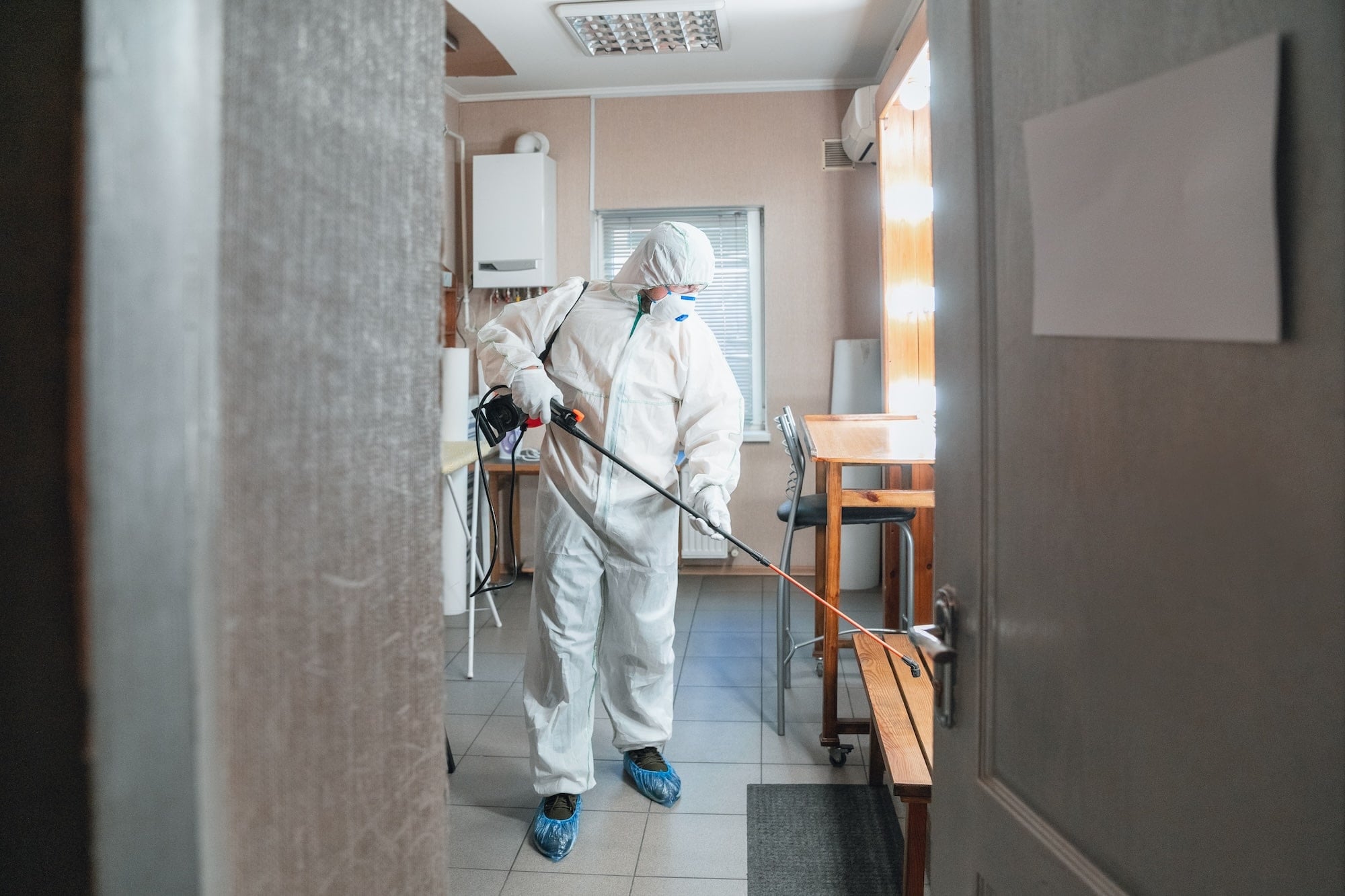
This is also where a true 24/7 emergency restoration response earns its keep. Water does not wait for business hours, and neither does microbial growth. The difference between arriving that night and arriving the next afternoon can be the difference between simple extraction and a much larger tear-out.
What a smart first response looks like
In the first few hours, the goal is to stop the source if possible, get water out, and begin controlled drying. Fast action does not mean random action. It means doing the obvious things first and avoiding moves that make cleanup harder.
- Stop the water source if it is safe and possible to do so.
- Remove standing water and wet items as quickly as you can.
- Start drying the space, including hidden moisture areas, not just the visible floor.
- Keep an eye on indoor humidity and aim to keep it below 60 percent.
- If the water came from a storm, backup, or unknown source, treat the area more cautiously and get qualified help involved early.
That list looks simple because the principle is simple. The execution often is not. Drying a tile floor is easy. Drying the wall base behind kitchen cabinets is not. Drying the cavity under a laminate floor can be surprisingly stubborn. Wet padding under carpet is another common trap. A room can feel dry underfoot while the pad remains damp enough to feed odor and mold.
Storm season changes the stakes
Storm damage restoration in Florida is its own category for a reason. Wind-driven rain behaves differently than a plumbing leak. It finds gaps around windows, roof transitions, doors, soffits, and wall penetrations. It can wet insulation without leaving dramatic staining right away. After a storm, many property owners focus on the obvious breach, such as shingles or a broken branch, while missing the slow moisture load building inside.
Central Florida also gets hit by a pattern that causes people to underestimate risk: the quick afternoon storm. A roof or wall assembly may take on repeated small amounts of water over several days or weeks. No single event feels severe enough to justify a major response, but the cumulative dampness creates the same mold conditions. By the time the musty smell appears, the moisture problem has often been present for longer than anyone realized.

That musty smell is not something to chase with fragrance. Odor elimination has to follow moisture control, not replace it. If materials are still damp, or if contaminated debris remains in place, the smell comes back. Deodorizers can mask. They do not solve.
The hidden role of humidity
Florida health guidance recommends keeping indoor humidity below 60 percent. That number is more than a comfort target. It is a practical line for mold prevention. In a dry climate, a room might recover from a small leak with open windows and ordinary airflow. In Central Florida, opening windows on a humid day can sometimes work against you by introducing more moisture into the house.
This is why people get confused after doing what feels sensible. They mop up the water, set a box fan in the room, and figure the problem is over. Then a day or two later the room still feels clammy, or a closet wall starts to smell stale. The visible water was removed, but the moisture burden stayed in the materials and air.
Florida health guidance also notes something many people miss: if a central HVAC system needs a dehumidifier to get below 60 percent relative humidity, the air conditioning system should be examined for problems. That does not mean every dehumidifier is a sign of failure. It means chronic inability to control humidity deserves a closer look. In practice, homes that struggle with humidity often struggle with mold recurrence too.
When the HVAC system becomes part of the problem
HVAC mold worries people for good reason. The system moves air through the whole property. If parts of it are contaminated or if damp conditions around components persist, the problem does not stay confined to one room.
Florida health guidance advises that if HVAC may be contaminated with mold, homeowners should consult EPA guidance before taking further action. That caution makes sense. Ducts, air handlers, returns, and interior components are not areas for guesswork. Disturbing contamination carelessly can spread debris or make the indoor environment worse.
This is one place where standards matter. The IICRC publishes standards relevant to water damage restoration, mold remediation, HVAC assessment after water, fire, or mold damage, and fire and smoke damage restoration. When a company describes itself as offering IICRC-certified remediation, what you want to hear is not just a credential phrase. You want to hear disciplined thinking about containment, drying goals, HVAC assessment, material condition, and when a system needs closer inspection instead of a quick cleaning.
A common pattern after a water event goes like this: the floor dries, the room looks normal, but the AC runs longer and a faint odor appears each time it cycles on. That does not automatically prove the system is contaminated, but it does mean the HVAC side should not be ignored. Water damage and air distribution are connected more often than people realize.
Why recurring mold usually points to an unfixed moisture source
Florida health guidance makes another point that deserves more attention: if mold returns quickly, an underlying leak or moisture source should be fixed first. That sounds obvious, but it gets skipped constantly. People wipe, paint, fog, scrub, or bleach visible areas without asking why the moisture is still there.
Quick return usually means one of a few things. The building material is still wet below the surface. The leak never fully stopped. Humidity remains too high. The HVAC system is not managing moisture as it should. Or the contamination was handled cosmetically rather than physically removed where necessary.
That is why mold remediation in Lake County should never be sold as a magic spray or single-visit cure-all. Lasting results come from moisture control first. Then cleaning, removal, drying, and verification follow.
Older homes and the asbestos question
Water damage can uncover another issue, especially in older homes and buildings: materials that may contain asbestos. EPA guidance says asbestos may be found in older homes and buildings, and that renovation or damage to materials such as floor tile, ceiling tile, pipe wrap, siding, or shingles can disturb it. Water loss itself may not release fibers, but demolition, tearing out, scraping, and removal can.
That matters in real-world restoration. A soaked floor might look like a straightforward tear-out until someone realizes the underlying tile or mastic may be older material. A ceiling opened for drying might involve suspect texture or wrap. This is exactly where rushing can create a second problem during the first one.
Florida’s asbestos program is intended to minimize the release of asbestos fibers during abatement, remediation, handling, and disposal of asbestos-containing materials. The state’s Central District asbestos program covers counties that include Lake, Orange, Seminole, and Osceola, which is useful context for Central Florida property owners trying to understand who regulates what in the region.
If asbestos is suspected in damaged materials, EPA advises using a properly trained and accredited asbestos professional if the material is damaged or if renovation could disturb it. In practical terms, that means do not let a water loss push you into careless demolition. If older suspect materials are involved, asbestos abatement in Groveland FL or elsewhere in the region may become part of the path before general reconstruction can safely move forward.
Water damage can overlap with fire and other specialty cleanup
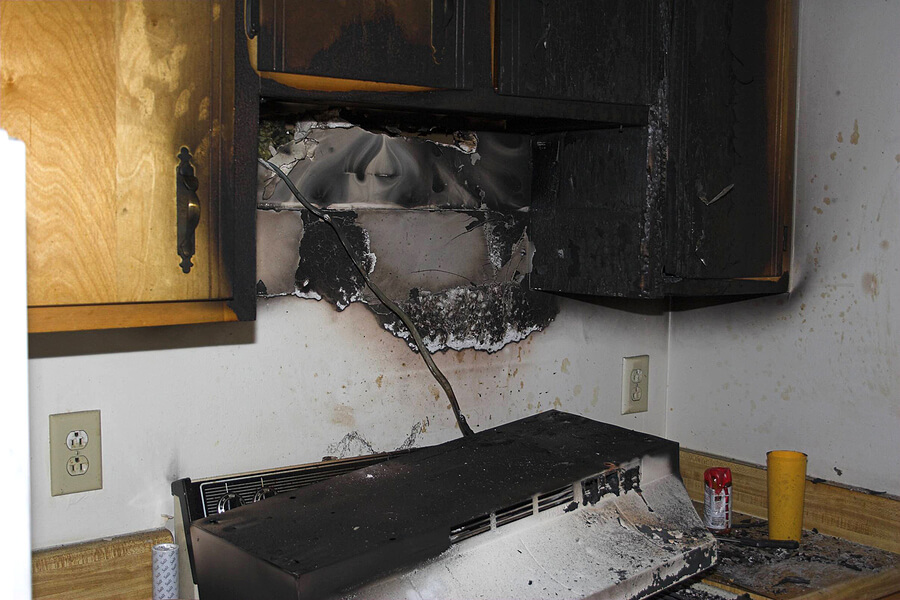
Property damage rarely arrives in neat categories. A storm can lead to water intrusion and electrical issues. A small kitchen fire can trigger fire damage restoration and then water damage from suppression efforts. A severe loss may involve debris, biological contamination, and strong residual odors all at once.
That is why restoration companies often provide a wider range of services than the customer expects, including fire damage restoration, biohazard cleanup, odor elimination, and storm damage restoration Florida property owners rely on after major weather events. The overlap is practical, not promotional. Once a building is compromised, several disciplines may need to work together so the site is safe, dry, and properly cleaned before repairs begin.
The temptation after any emergency is to focus on what feels most dramatic. Smoke staining gets attention because you can see it. Standing water gets attention because it is urgent. But hidden dampness and contaminated materials often determine whether the recovery is truly complete.
What qualified restoration should sound like
Good restoration professionals tend to talk less about “quick fixes” and more about process. They ask when the water began, what the source was, what materials were affected, whether humidity is being monitored, whether the HVAC was exposed, and whether any older suspect materials could complicate demolition.
They also resist false certainty. Nobody responsible should promise that every wet material can be saved, or that every room needs to be gutted. Water losses live in that middle ground where experience matters. Two homes can have the same amount of visible water and require very different scopes of work because the assemblies, age, contamination level, and drying progress differ.
Here are a few signs the response is grounded in real restoration judgment:
- The conversation starts with source, exposure time, and affected materials.
- Drying and humidity control are treated as priorities, not afterthoughts.
- HVAC exposure is considered when mold or widespread moisture is possible.
- Older damaged materials are approached carefully if asbestos could be a concern.
- Odor control is tied to cleaning and drying, not used as a substitute for either.
That kind of approach fits the standards-based mindset behind IICRC-certified remediation. Standards do not eliminate judgment. They support it.
The homeowner mistakes that create bigger problems
Most missteps are understandable. People are tired, stressed, and trying to protect their home. Still, a few habits consistently make losses worse.
Waiting to see if the area “dries on its own” is the biggest one. In Central Florida, delay works against you quickly. Another is sealing things up too soon. Closing a wet wall, replacing baseboards, or painting over an area before moisture issues are resolved can trap the problem where it becomes harder to detect and more expensive to correct later.
Another common mistake is assuming absence of visible mold means safety. Mold can be hidden. So can moisture. A room that looks normal can still have elevated humidity or damp materials behind finishes. And then there is the fragrance trap: candles, sprays, and ozone-style shortcuts are often used when what the house really needs is proper drying, cleaning, and material evaluation. True odor elimination follows the cause. It does not bypass it.
A practical Central Florida mindset
If you own or manage property in this region, the best mental model is simple: every water loss is part drying challenge, part humidity challenge. The immediate extraction matters, but so does the next phase, the less dramatic work of getting the structure back to stable conditions.
That mindset helps with everyday issues as much as disasters. A recurring closet smell, a bathroom wall that feels cool and damp, a supply vent that carries a musty note, or a room that stays sticky even with the AC running are all signs worth taking seriously. Florida health guidance points squarely toward moisture control, prompt mold removal, and attention to HVAC performance when humidity remains high.
For severe events, especially after storms, safe cleanup matters too. Floodwater and disaster debris are not routine household messes. Drying and removing water-damaged items remain the most important preventive steps, but the cleanup needs to match the level of contamination and damage involved.
What this means when the water first appears
The shortest version is this: act the same day, and think beyond the puddle. In Central Florida, time, humidity, and hidden moisture shape the outcome. The water you can see is only part of the job. The moisture you cannot see is often what decides whether the event ends as a manageable drying project or grows into mold remediation, HVAC concerns, lingering odor, and more invasive repair.
When the response is fast, careful, and informed, many losses stay contained. When it is delayed, cosmetic, or careless around damaged materials, the job expands. That is especially true in older properties where disturbed materials may raise asbestos concerns, and after storms where water paths are messy and contamination is less predictable.
A calm, professional first response is worth a lot here. Not because every wet floor is a catastrophe, but because Central Florida gives moisture every advantage if you let it linger.